Maintenance & Troubleshooting
Why Does My Water Pump Keep Running When All Taps Are Closed?
Find out what should stop your pump, then use the pressure, tank level or controller display to tell normal refill from a fault.
All pump guidesQDD PUMPS JOURNAL
Guides about matching pump controls, signals and protection to the pumping system.
Find out what should stop your pump, then use the pressure, tank level or controller display to tell normal refill from a fault.
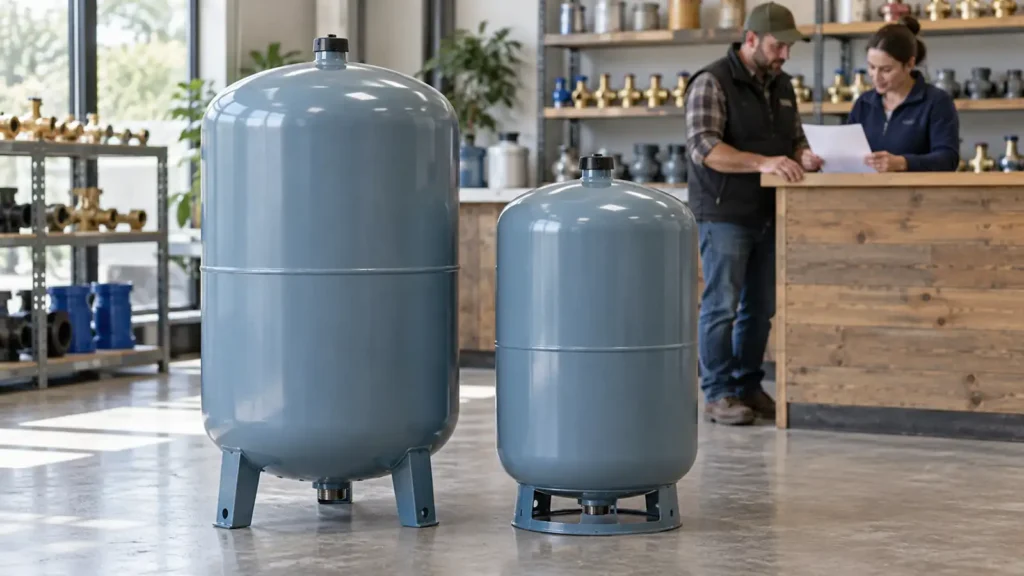
Choose a pressure tank by its drawdown at your operating pressures, not its total litres. A worked example connects usable water volume with pump run time.
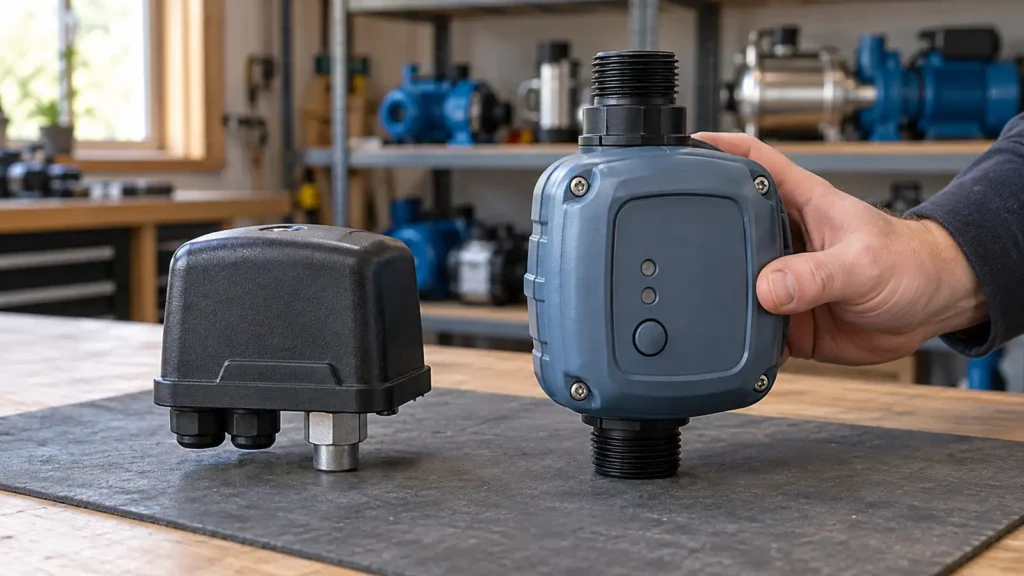
Compare pressure-switch and tank systems with electronic pressure/flow controls. Check small-demand behaviour, motor compatibility and protection before choosing a control arrangement.
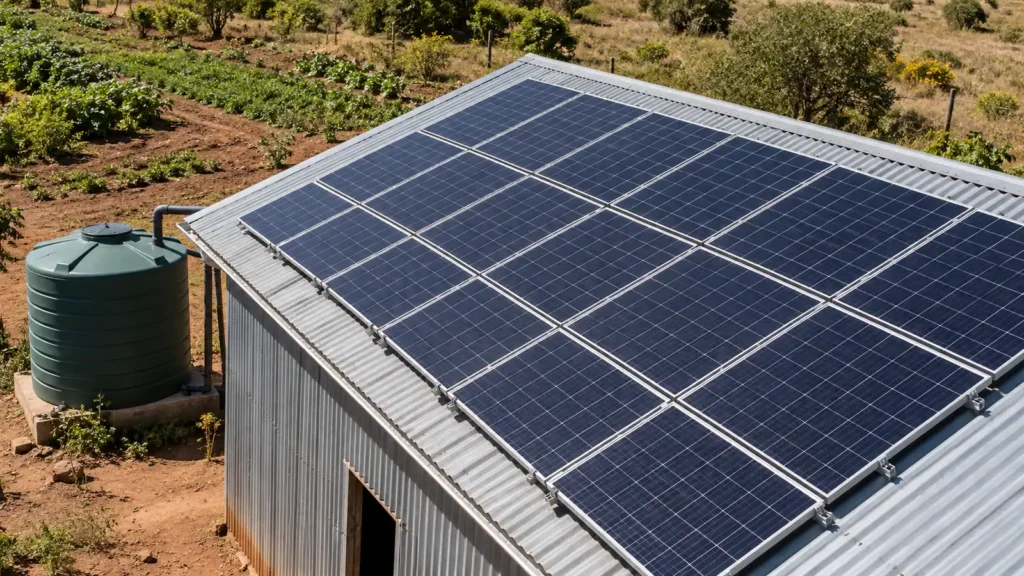
Calculate a preliminary panel count from array power, then check series voltage, parallel current and the pump controller's limits. The same eight panels can give very different results.
You may be able to keep your existing pump. Compare a dedicated solar pump drive with a house or farm AC supply, then check the motor, daily water demand and backup needs.
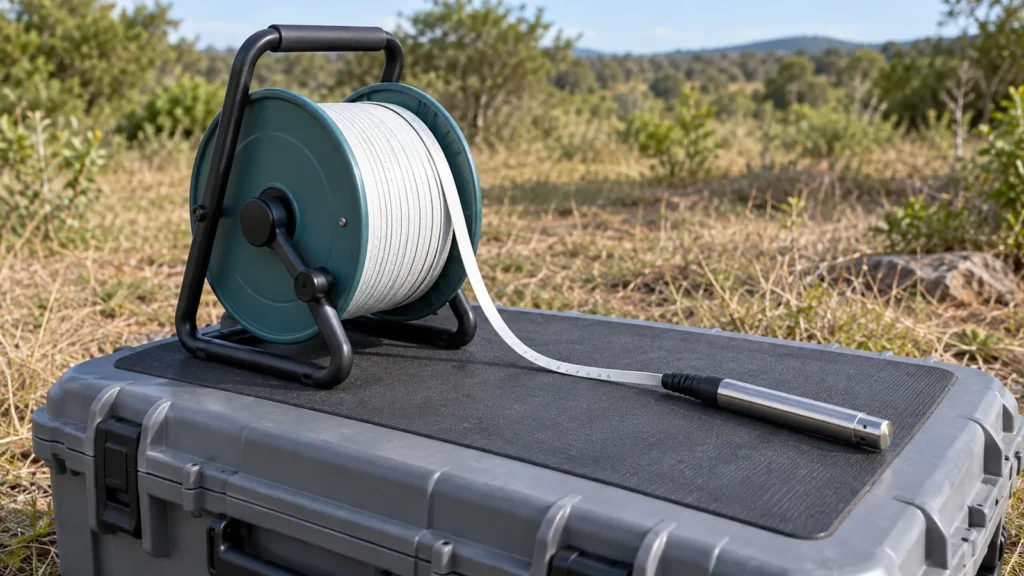
Compare source-water sensors and motor-load protection, separate dry-run stops from tank-full control, and check how your pump will recover before leaving it unattended.
A trip does not automatically mean the pump is faulty. Identify the protection that operated and collect useful clues before approving parts or a pump lift.
Find the right checks for a pump that starts when no one uses water, cycles during a shower or repeatedly switches while filling a tank.
Keep useful borehole pump maintenance records with an external inspection checklist, a meter-reading example and a copyable log for operating conditions, service work and follow-up.
A practical sequence for a borehole pump that appears to run but delivers no water: verify the operating state, separate water-source and delivery faults, and prepare useful evidence for a technician.
Use the details you have. We can help with the rest.